

You've narrowed the shortlist down to three names. Each one looks credible on paper: solid reels, a few recognizable client logos, a fee that fits the budget. So you do what most planners do next. You ask about cost. You ask about availability. You may ask if they can do a Zoom call before signing anything.
And then the event happens, and one of two things occurs. Either the room lights up, and people are still talking about it weeks later, or it falls flat, and you spend the drive home wondering what you missed in the vetting process.
The problem isn't that you asked the wrong person the wrong things. It's that "how much" and "when are you free" were never designed to predict what actually happens on stage.
Why Cost and Availability Tell You Almost Nothing
Cost and availability are logistics questions. They tell you whether a booking is possible. They tell you nothing about whether it will work.
Two speakers can charge the same fee and be free on the same date, and one will read a room in real time while the other recites a fixed script regardless of what's actually happening in front of them. The gap between those two outcomes isn't visible on an invoice. It only shows up once you're standing at the back of the ballroom watching it unfold live.
If you want to find the best keynote speaker for your specific event, the questions that matter are the ones that predict behavior under real conditions, not the ones that confirm a transaction can happen.
The Five-Question Filter for Booking the Best Keynote Speaker
Here are the five questions worth asking before you sign anything. Each one is designed to surface something a highlight reel can't show you.
1. How Do You Define a Successful Talk for This Audience?
This question does more work than it looks like it should. A speaker who answers with something specific, tied to your industry, your goals, or the outcome you actually need, is thinking about your event as a distinct problem to solve. A speaker who gives a generic answer about "leaving people inspired" is telling you they haven't thought past the booking yet.
2. Can You Tell Me About a Time You Had to Adjust Mid-Session?
Every experienced speaker had a session that didn't go according to plan. The ones worth booking can describe exactly what happened and what they changed in real time. A vague or defensive answer here is one of the clearest warning signs you'll get in the entire vetting process.
3. What Do You Need From Us to Prepare?
The best keynote speaker for your event will ask you almost as many questions as you ask them. They'll want to understand your audience, your industry, and what's happening internally that makes this event matter right now. If a candidate has no real prep requests beyond a stage diagram and an AV list, that's worth noting.
4. How Do You Customize Your Content for Different Industries or Audiences?
A speaker who has genuinely adapted their material across different sectors, whether that's leadership teams, sales forces, healthcare organizations, or safety-focused industries, can usually describe specific ways their message shifts depending on the room. This is a strong signal of range versus a single fixed talk delivered on repeat.
5. What Happens After the Event Ends?
The strongest keynotes don't end when the applause does. Ask whether there's a follow-up resource, a summary for attendees, or any way the ideas keep working after everyone goes back to their desks. A speaker with a real answer here is thinking about impact, not just the hour on stage.
Where Vince Poscente Fits Into This Filter
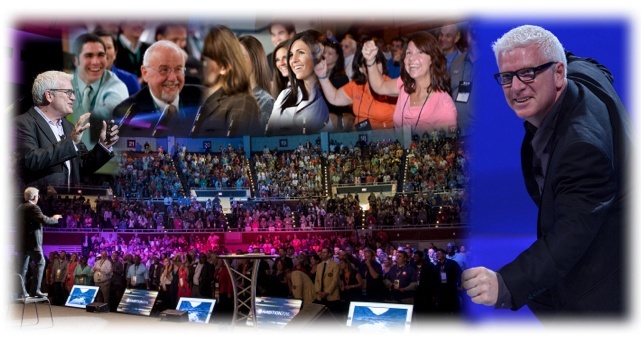
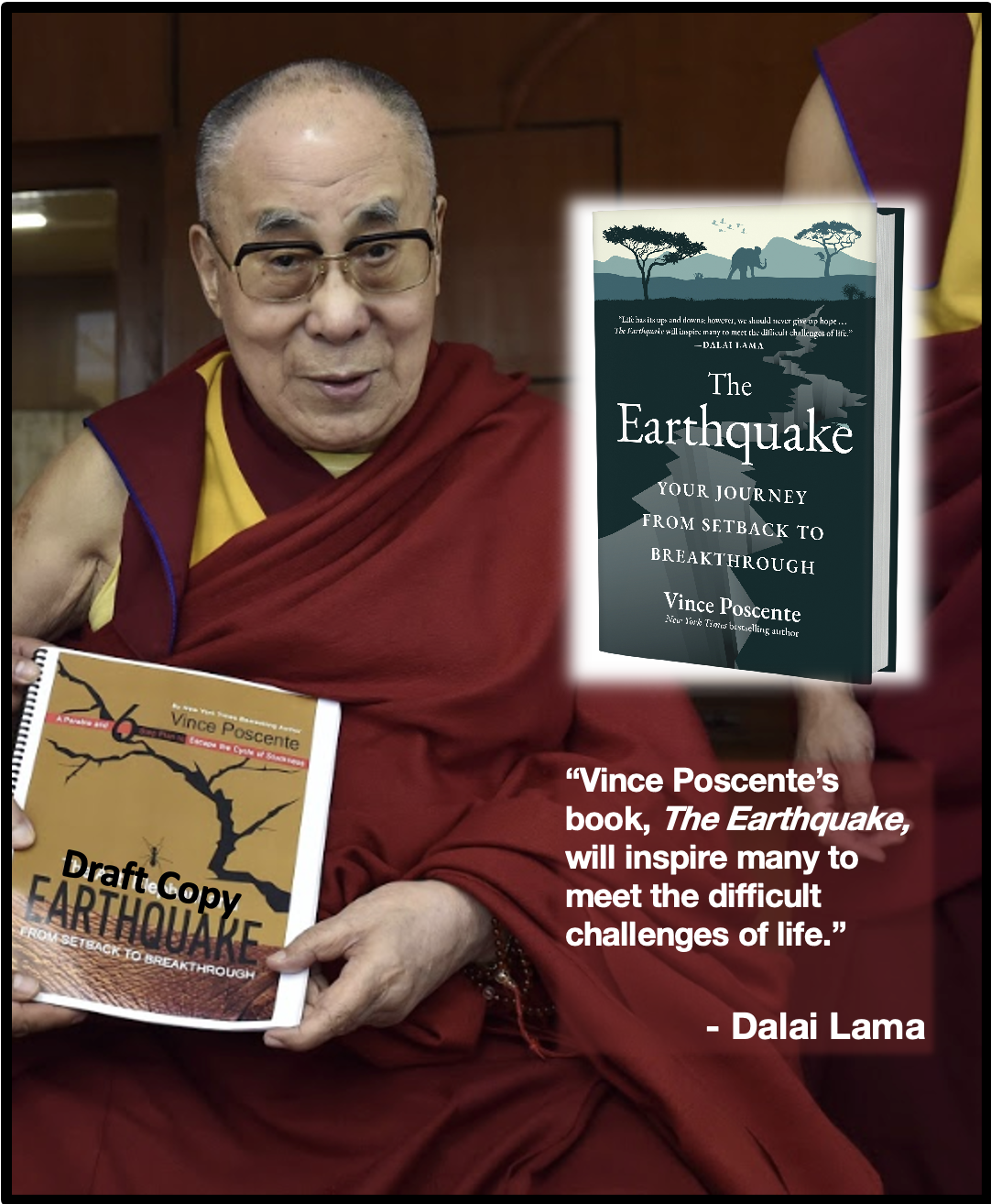
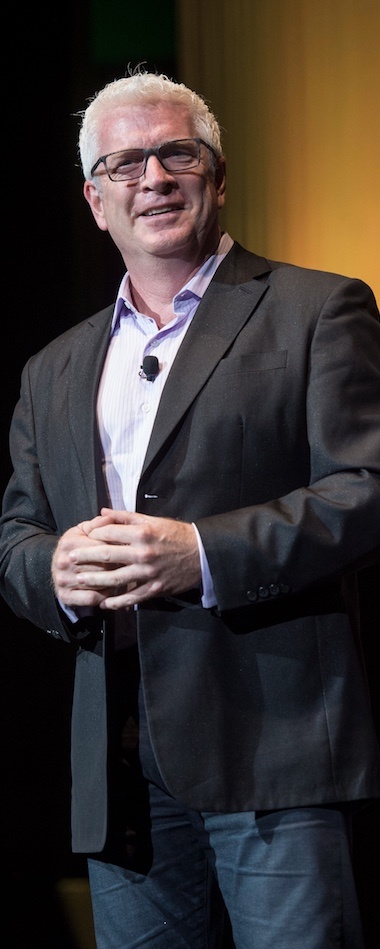
Vince Poscente is a strong example of what effective answers to these five questions look like in practice. As an Olympian, New York Times bestselling author, and Hall of Fame speaker, his background covers a genuinely wide range of industries, including leadership, sales, healthcare, and safety, which means his approach to Question 4 above isn't theoretical. He's had to build that range for real.
His delivery style is built around actionable insight rather than a single fixed script, and it's shaped directly by his own competitive background as an Olympic speed skier, where reading conditions and adjusting instantly wasn't optional. That instinct carries onto the stage. When a room's energy shifts mid-session, that same trained ability to recalibrate without losing momentum is exactly the kind of answer Question 2 above is designed to surface.
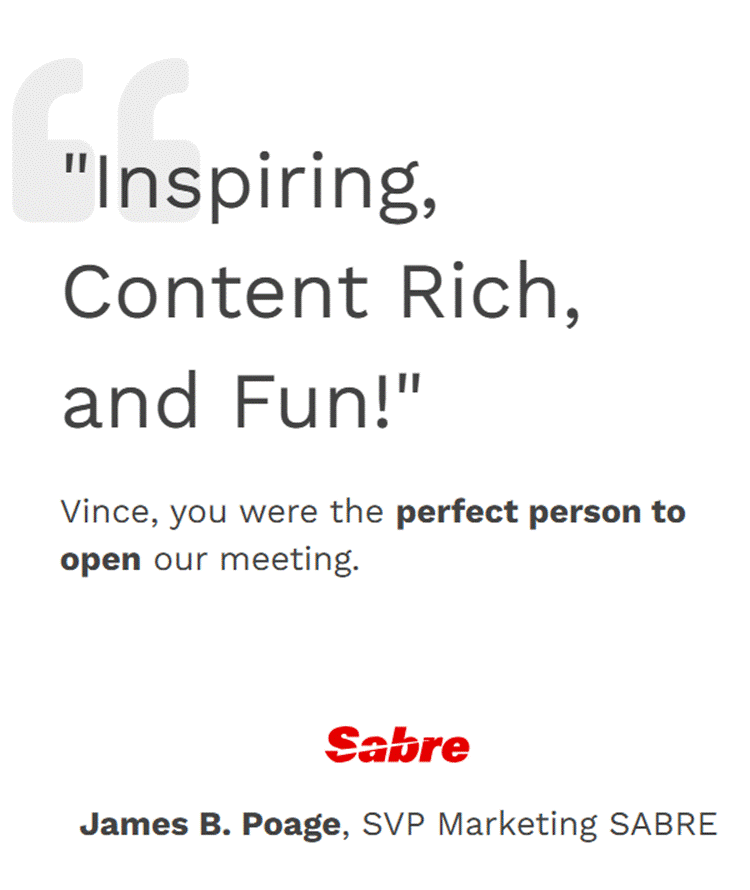
One of his past clients, James B. Poage, SVP Marketing at Sabre, put it simply after booking Vince to open a company meeting: "Vince, you were the perfect person to open our meeting." That's the kind of specific, outcome-based feedback worth listening for when you're checking references for any speaker on your shortlist, not just a general compliment about energy.
What You're Tempted to Ask vs. What Actually Predicts a Good Outcome
|
Tempting Question |
What It Tells You |
Better Question |
What It Actually Predicts |
|
How much do you cost? |
Whether it fits your budget |
How do you define success for this audience? |
Whether they understand your goals |
|
Are you available on our date? |
Whether a booking is possible |
Can you describe a time a session didn't go to plan? |
How they handle real pressure on stage |
|
Can you send a reel? |
How you look on your best night |
What do you need from us to prepare? |
Whether they treat this as a custom event |
|
Do you have testimonials? |
General approval from past clients |
How do you customize for different industries? |
Actual range versus one fixed talk |
|
Can we do a call beforehand? |
Basic professionalism |
What happens after the event ends? |
Whether impact is designed to last |
Notice that the tempting questions aren't wrong to ask. They're just not enough on their own. The right approach is asking both, but weighting your decision on the second column.
How to Actually Evaluate the Answers You Get
Asking the right questions only helps if you know what to listen for in the response.
Vague answers are the biggest red flag across all five questions. A speaker who can't get specific about how they define success, or can't recall a real moment of adjusting mid-talk, is likely working from a fixed script rather than a genuine read of the room. Specificity is the signal you're looking for, not polish.
It's also worth watching how a candidate responds to being asked these questions in the first place. The best keynote speaker for a high-stakes event usually welcomes this kind of scrutiny, because they've been asked it before and have real answers ready. Defensiveness or vague reassurance at this stage tends to predict the same pattern at this stage.
If you want to see this range in action before making a final call, Vince's keynote topics page and video library are useful ways to compare how his message shifts across different audiences, from leadership-focused sessions to sales-specific keynotes, rather than relying on a single highlight clip.
FAQs
Q1. What's the single most important question to ask before booking a keynote speaker?
Asking how they define a successful talk for your specific audience tends to reveal the most, since it shows whether they're thinking about your event as unique or reciting a general answer.
Q2. Should I still ask about cost and availability?
Yes, those questions are still necessary logistics. They just shouldn't be the questions that decide who you book. Use them to build your shortlist, then use the five questions above to narrow it down.
Q3. How do I know if a speaker's answer about handling a difficult session is genuine?
Genuine answers tend to be specific: what happened, what they noticed, and exactly what they changed. Vague or overly polished answers are usually a sign that the speaker hasn't actually had to adapt much.
Q4. Does the best keynote speaker for my event need direct experience in my industry?
Not always, but they should be able to describe how they'd adapt their material to it. Speakers with a track record across multiple industries, like leadership, sales, healthcare, and safety, tend to have a clearer answer here.
Q5. What should happen after I've asked all five questions?
Compare answers across your shortlist side by side, not just against a checklist. The candidate who gives the most specific, confident answers across all five is usually the safer bet, regardless of who has the flashiest reel.
Conclusion
The questions most planners default to, cost and availability, only tell you whether a booking is logistically possible. They say nothing about what will actually happen once your audience is in the room.
The five questions above are built to surface exactly that: how a speaker defines success, how they handle pressure, what they need from you, how far their range actually extends, and whether their impact is designed to last past the applause.
If you're building a shortlist and want to see how these questions play out with a speaker who has genuinely worked across leadership, sales, healthcare, and safety audiences, check Vince Poscente's availability and fees or call 214.335.0856 to talk through what your event actually needs.